KDD 2026 hands-on tutorial OneEHR Tuesday, August 11, 2026 1:30 PM - 4:30 PM Jeju, Korea
EHR AI platform
OneEHR
Run longitudinal EHR experiments from standardized event tables, a TOML config, and one saved run directory.
OneEHR covers preprocessing, model training, testing, analysis, and figures for conventional ML/DL models plus LLM or agent systems. The same config and artifacts are used by the CLI, Python API, and notebooks.
Python 3.12+
TOML config
MIMIC / eICU
ICD / CCS / ATC
Parquet + JSON
Start Here
Installation
Set up Python 3.12+, install OneEHR, and verify the CLI.
Quickstart
Run the bundled TJH example from CSV conversion through analysis and figures.
Data Model
Prepare the dynamic, static, and label CSV files used by every workflow.
Standard Workflow
Preprocess
Bin events, encode features, create labels, and save a patient-level split.
Train
Fit every model listed in the TOML config against the saved artifacts.
Test
Evaluate trained models and configured systems on the held-out test split.
Analyze
Write comparison, feature importance, fairness, calibration, statistical test, and missing-data outputs.
oneehr preprocess --config experiment.toml
oneehr train      --config experiment.toml
oneehr test       --config experiment.toml
oneehr analyze    --config experiment.toml
oneehr plot       --config experiment.toml
What You Can Use
Data
Standard CSV inputs
Prepare longitudinal events once, then reuse the same tables for patient-level and time-level tasks.
Models
Configured model runs
Select tabular, deep learning, irregular-time, multimodal, KG-enhanced, or survival models with [[models]] blocks.
Systems
LLM and agent evaluation
Add [[systems]] entries to write predictions into the same test artifact as model outputs.
Analysis
Machine-readable outputs
Use Parquet predictions and JSON analysis files for notebooks, reports, and downstream tooling.
Common Next Pages
- Core Workflows explains each CLI stage and its outputs.
- Configuration Reference lists TOML fields and defaults.
- Models Reference lists all 42 model config names and parameters.
- Artifacts Reference documents the on-disk run contract.
- Dataset Converters covers MIMIC-III, MIMIC-IV, and eICU conversion.
- Medical Codes covers ICD, CCS, ATC, and code mapping helpers.
Tutorial Tutors
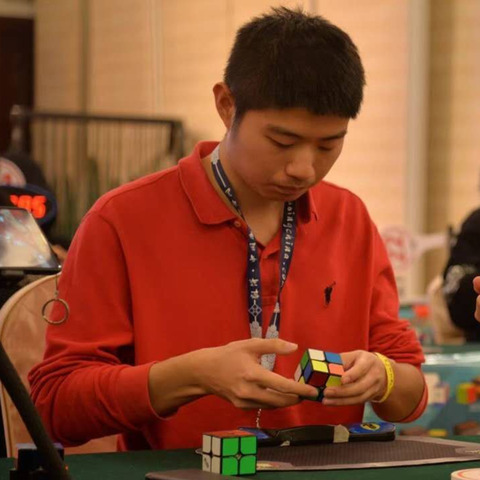 Yinghao Zhu
Peking University; University of Hong Kong
Yinghao Zhu
Peking University; University of Hong Kong
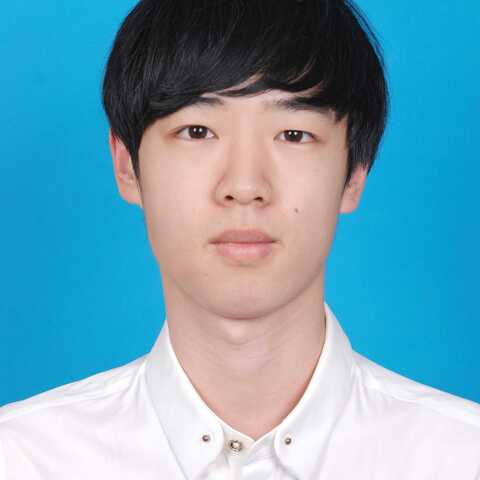 Zixiang Wang
Peking University
Zixiang Wang
Peking University
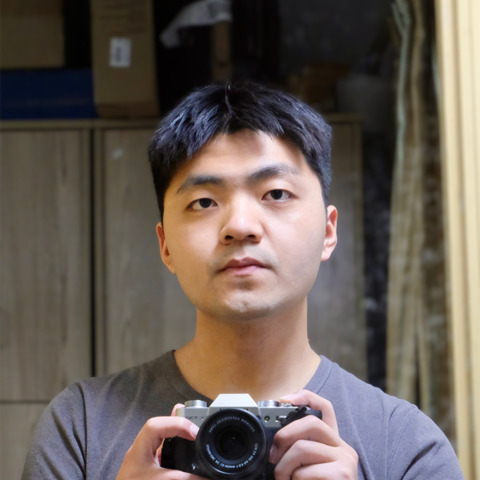 Lei Gu
Peking University
Lei Gu
Peking University
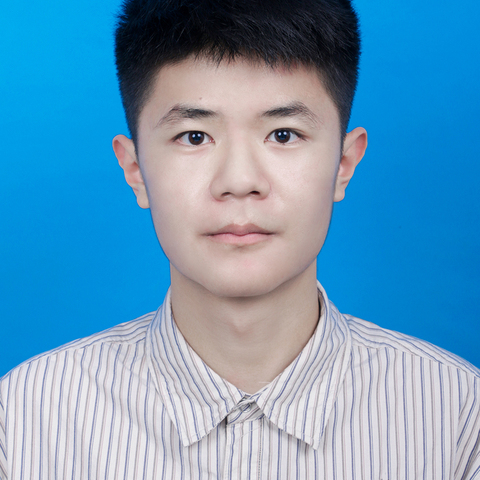 Dehao Sui
Peking University
Dehao Sui
Peking University
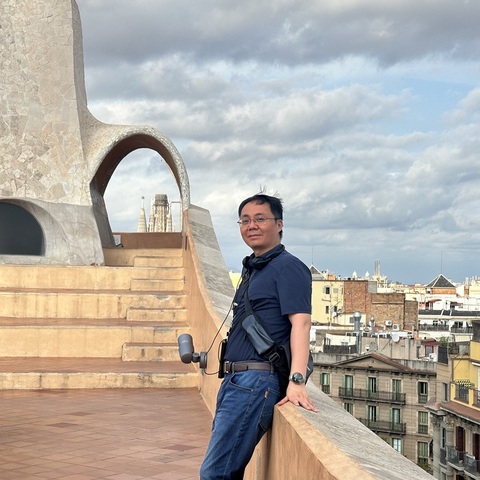 Yasha Wang
Peking University
Yasha Wang
Peking University
 Ewen M. Harrison
University of Edinburgh
Ewen M. Harrison
University of Edinburgh
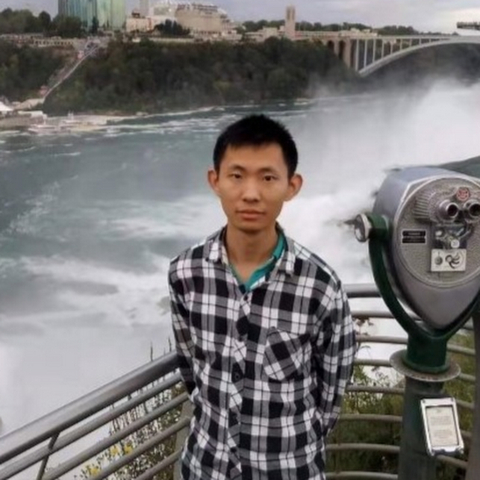 Tianfan Fu
Nanjing University
Tianfan Fu
Nanjing University
 Junyi Gao
University of Edinburgh; Health Data Research UK
Junyi Gao
University of Edinburgh; Health Data Research UK
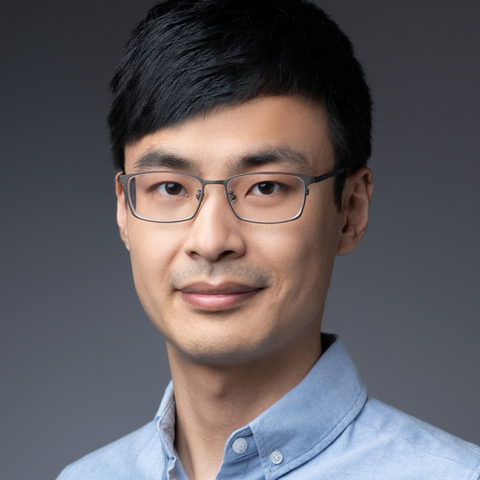 Lequan Yu
University of Hong Kong
Lequan Yu
University of Hong Kong
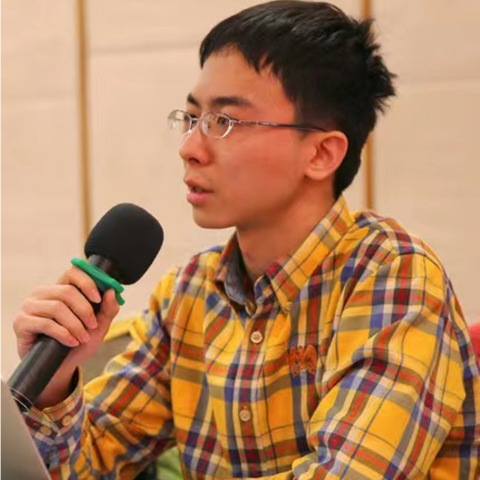 Liantao Ma
Peking University
Liantao Ma
Peking University